
Address2627 NE 203rd St #112, Aventura, FL 33180
(305) 339-570124/7 Emergency Phone
Monday - Friday9AM–5PM / Wed–Thu 11AM–7PM
What if you could treat an early cavity without drilling, needles, or a traditional filling? At Dentist of Aventura, we now offer Curodont Repair Fluoride Plus, a gentle treatment that helps rebuild minerals in early tooth decay while keeping your natural enamel.
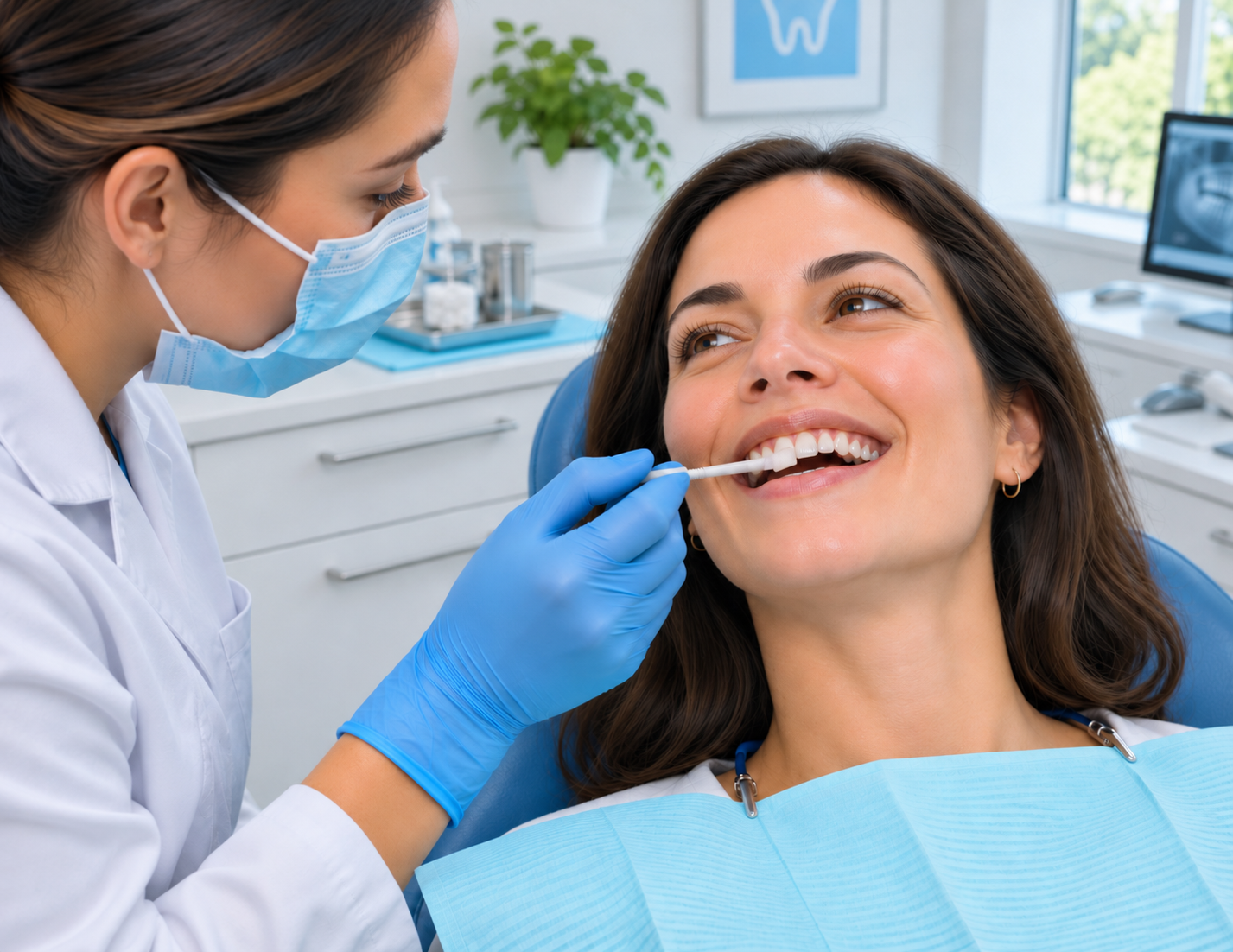
Curodont Repair Fluoride Plus is a professional dental treatment for early-stage cavities, also called initial dental caries.
Tooth decay starts when acids made by bacteria slowly pull minerals out of tooth enamel. In the earliest stage, the enamel gets weak, but the tooth surface may still be whole.
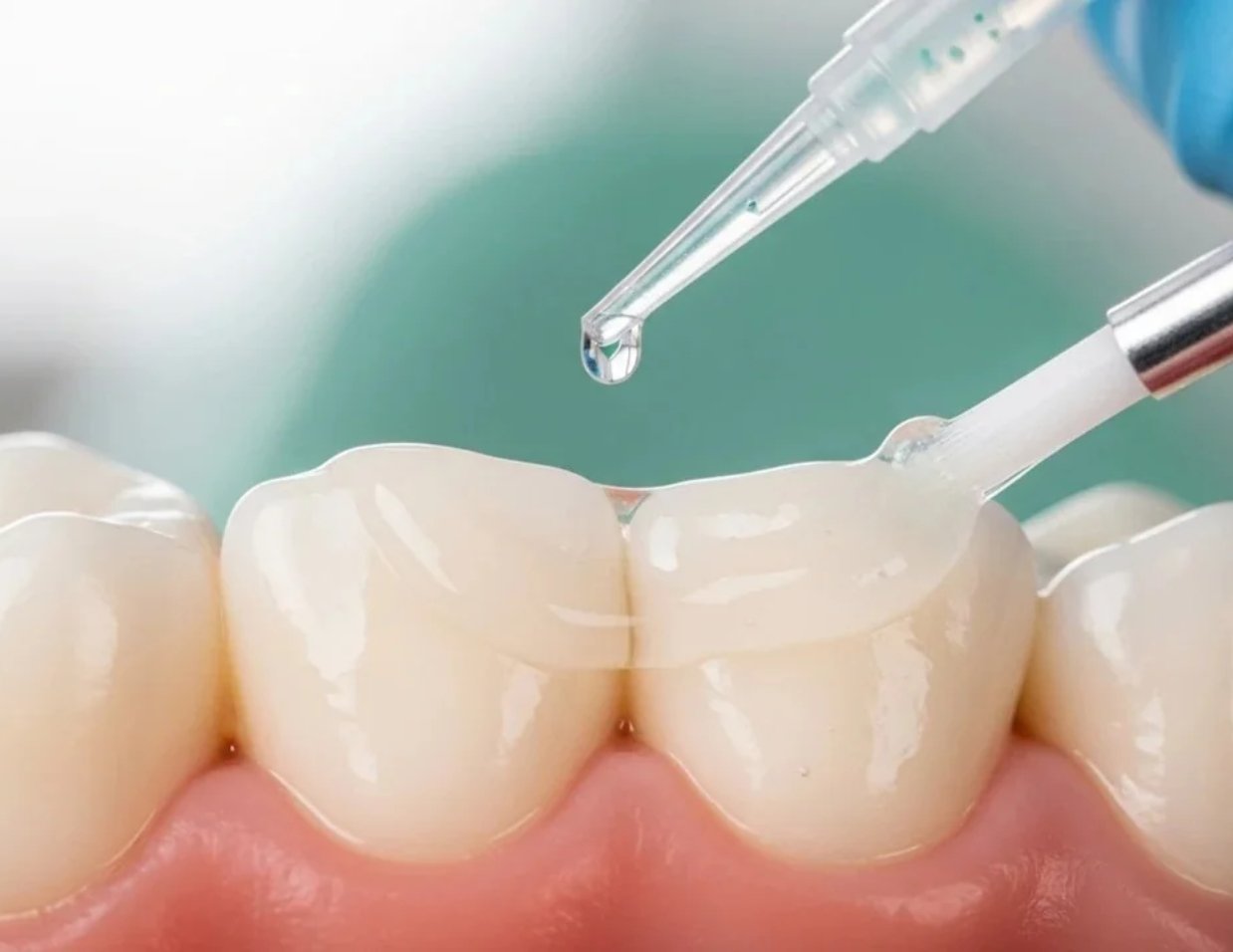
Curodont uses special self-assembling peptide technology to support enamel remineralization. Instead of drilling into the tooth and placing a white filling, the treatment is applied right onto the affected area.
The application usually takes just a few minutes, and the remineralization process continues slowly over time.
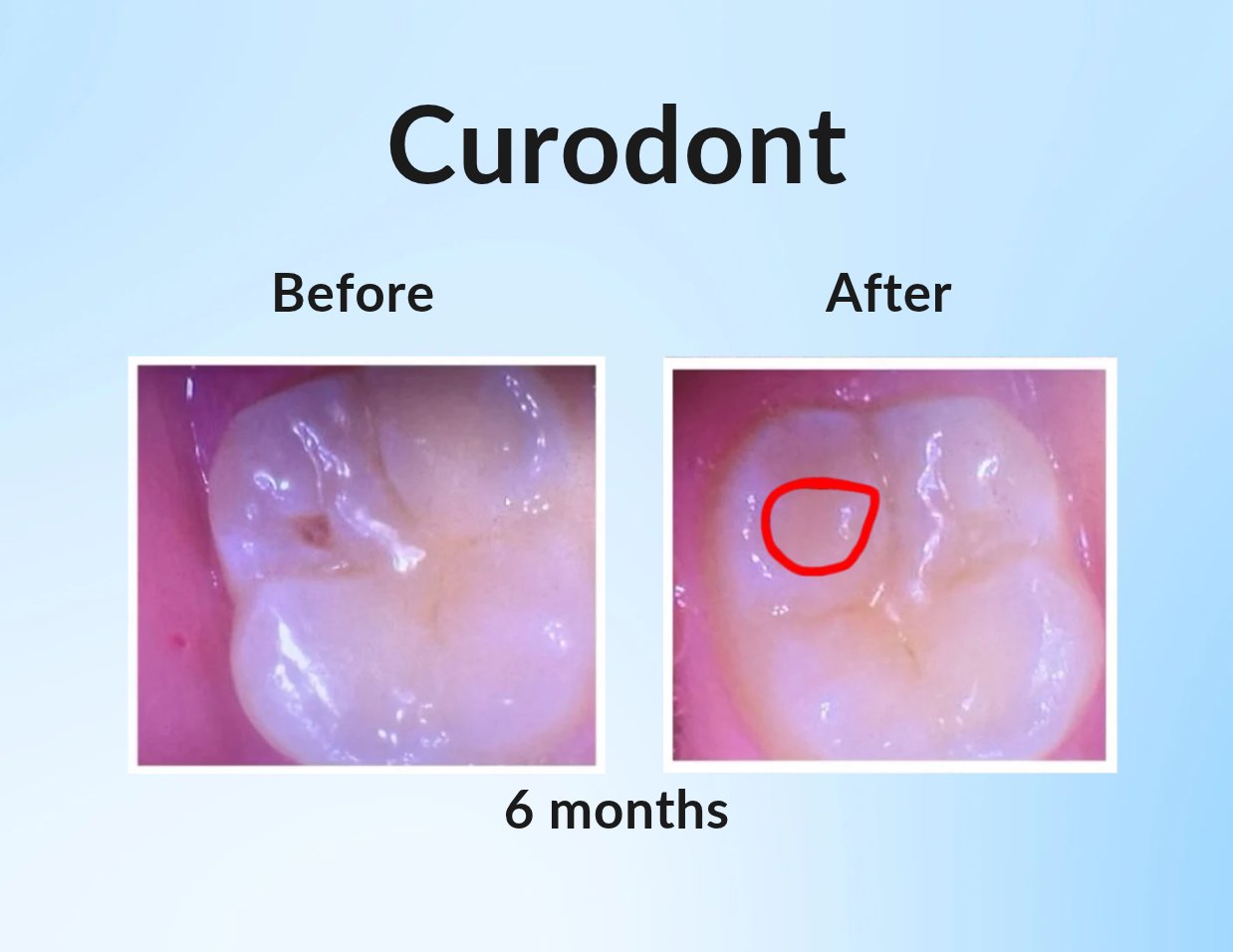
Curodont Repair Fluoride Plus is made by vVARDIS, a Swiss oral care company that focuses on new, non-invasive dental treatments.
Its peptide formula supports enamel remineralization while helping keep your natural tooth structure.
Traditional cavity treatment may mean drilling, removing decayed tooth structure, and placing a filling. Curodont can be applied to eligible early-stage lesions without drilling or numbing injections.
At Dentist of Aventura, we are proud to bring this Swiss-developed technology to patients throughout northern Miami-Dade County and southern Broward County.
Not every cavity needs the same treatment. Some early cavities can be managed without drilling, while more advanced decay needs a traditional dental filling.
| Treatment feature | Curodont | Traditional white filling |
|---|---|---|
| Dental drilling | No | Usually required |
| Numbing injection | Typically not needed | May be needed |
| Pain or discomfort | Generally painless | Usually controlled with anesthesia |
| Removal of tooth structure | No | Usually required |
| Treatment time | A few minutes to apply | Typically longer |
| Preserves natural enamel | Yes | Some enamel may be removed |
| Repairs a physical hole in a tooth | No | Yes |
| Best suited for | Early, non-cavitated tooth decay | Cavities that need restoration |
Curodont helps preserve natural enamel without drilling. White composite fillings are still an effective and needed treatment when decay has already damaged the tooth.
Yes. Certain early-stage cavities can be managed without drilling, needles, or traditional fillings.
When decay is found before the enamel surface breaks down, a non-invasive remineralization treatment may be right for you. Curodont may be considered for:
Deeper cavities, broken teeth, and advanced decay may still need white composite fillings, dental crowns, or other restorative care. A dental exam, with X-rays when needed, tells us if Curodont is right for you.
Curodont treatment is generally painless because there is no drilling, no cutting into the tooth, and no removal of natural tooth structure.
Unlike traditional cavity treatment, Curodont typically does not need numbing injections or local anesthesia. The application itself takes only a few minutes.
If you feel anxious at the dentist or are afraid of needles and drills, Curodont may offer a more comfortable visit when your cavity qualifies.
Individual experiences may vary.
The Curodont treatment process is simple and minimally invasive.
Your dentist checks your teeth and finds areas of early decay with a clinical exam and X-rays when needed.
The dentist decides if the tooth has an early, non-cavitated lesion that is right for Curodont.
Curodont is applied right onto the tooth surface. No drilling or numbing shot is typically needed.
The treatment supports minerals moving back into weak enamel over the following weeks and months.
Your dentist checks the treated area and decides if more preventive or restorative care is needed.
Early tooth decay starts with mineral loss from enamel. When it is found before a physical cavity forms, some lesions can be stopped or remineralized. Curodont is designed to support this process and help preserve natural tooth structure.
Curodont cannot rebuild a missing part of a tooth, replace an existing filling, or repair a deep cavity. When decay has caused structural damage, a white filling or other restorative treatment may be needed.
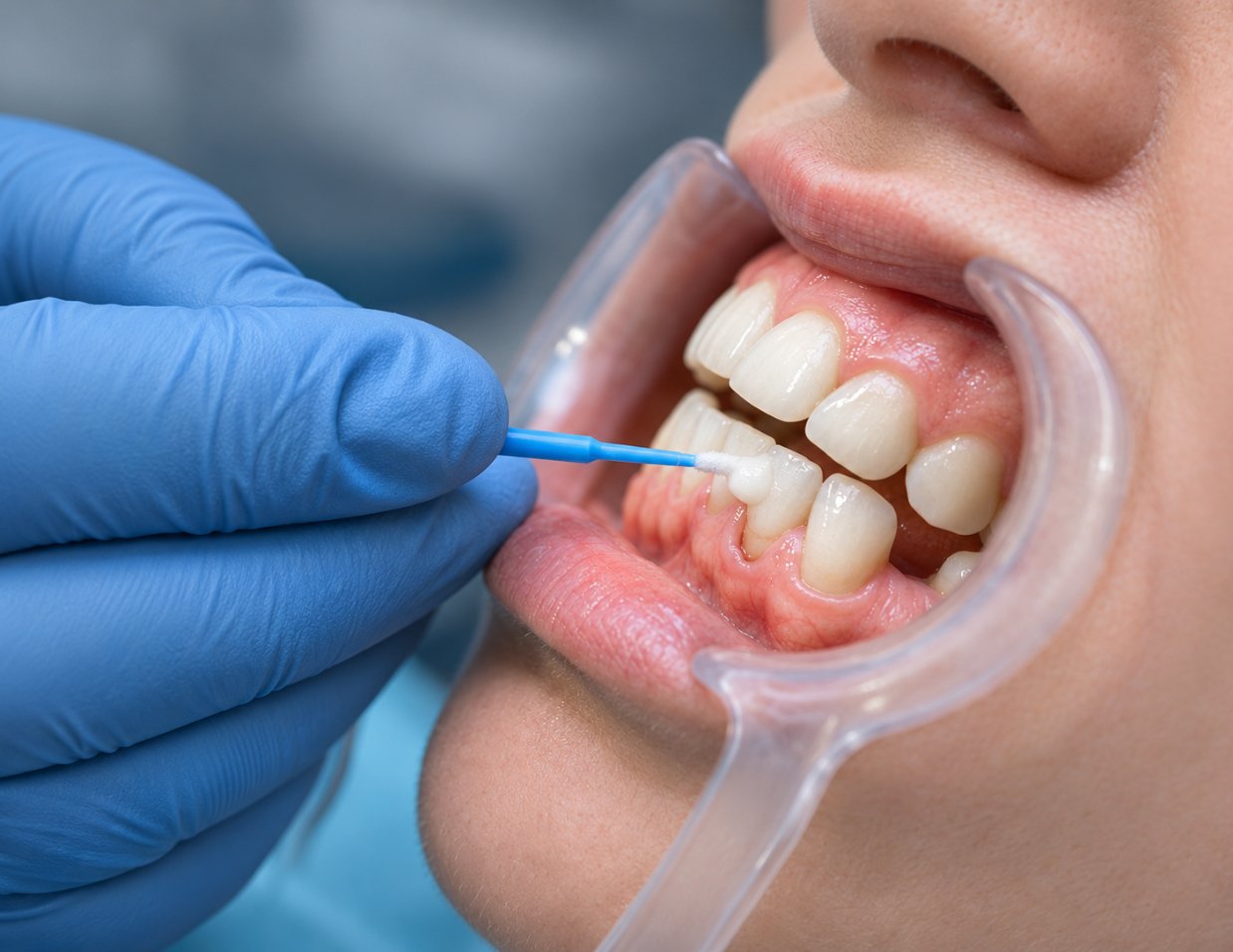
White spots on teeth may be an early sign of enamel demineralization. They can show up near the gumline, between teeth, or around braces.
Some white spots caused by early decay may qualify for Curodont. But not all white spots are cavities, so a dental exam is needed to find the cause and the right treatment.
Many early cavities cause no pain or symptoms. By the time a tooth feels sensitive to sweets, cold, or chewing, the decay may have grown.
Regular dental exams help your dentist spot early changes in enamel before serious damage happens. Finding decay early may let you get a non-invasive treatment instead of drilling and filling.
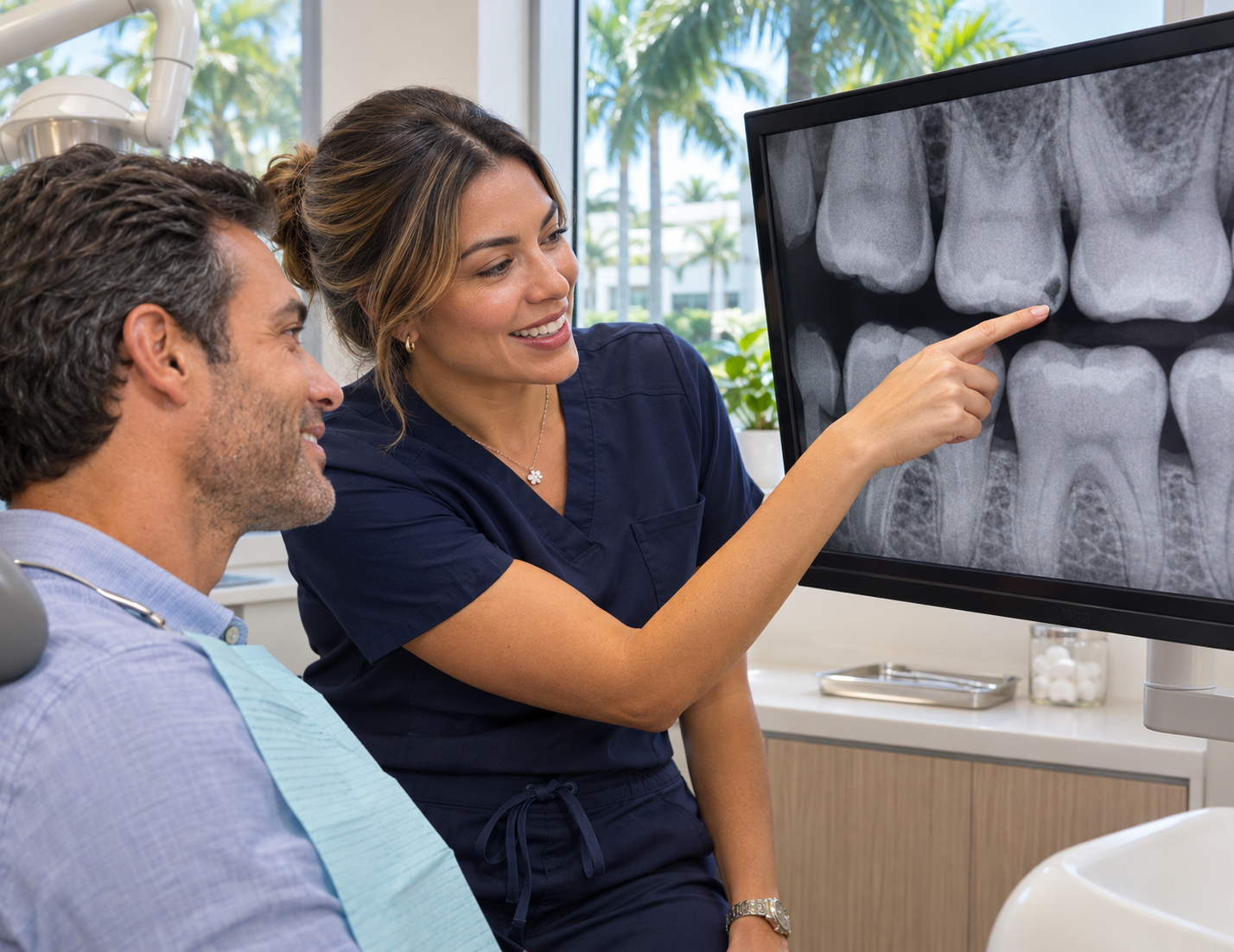
Yes. Certain early-stage, non-cavitated lesions may qualify for Curodont or another non-invasive treatment. More advanced cavities usually need restorative care.
Typically, no. Curodont application generally does not need local anesthesia.
The treatment is generally painless and does not involve drilling or removing tooth structure.
Certain early lesions between teeth may qualify. Your dentist will check the stage and location of the decay.
Possibly. If the tooth surface is still intact and the lesion meets clinical criteria, a non-invasive treatment may be right for you.
No. Curodont is for eligible early-stage tooth decay. Traditional fillings are still needed when a tooth has a physical cavity that needs restoration.
The application usually takes a few minutes. Remineralization continues slowly, and follow-up exams may be recommended.
It depends on the tooth, the stage of decay, and the product's clinical indications. Your dentist can tell you if Curodont is right for you or your child.
Dentist of Aventura welcomes patients from northern Miami-Dade County and southern Broward County. Our dental office provides Curodont early cavity treatment, tooth-colored composite fillings, cavity exams, digital X-rays, and restorative dental care.
Whether you are looking for a dentist for cavities near Hallandale Beach, white fillings near Hollywood, or drill-free early cavity treatment near Sunny Isles Beach or North Miami, our team can check your teeth and explain your options.
Why go through drilling if your early cavity may qualify for non-invasive treatment? Our goal is to preserve your natural teeth whenever it is clinically right.
We offer Curodont Repair Fluoride Plus for qualifying early cavities and tooth-colored composite fillings for teeth that need restoration. If you've been told you need a filling, or want to find out if your cavity can be treated without drilling or shots, book an exam.
Dentist of Aventura
2627 NE 203rd St, Suite 112
Aventura, FL 33180
Phone: (305) 339-5701
Dr. Elaine Perez-Gutierrez, DMD
Florida Dental License DN26135
Treatment eligibility depends on clinical findings. Curodont is intended for qualifying early-stage, non-cavitated lesions. Individual results vary. Advanced cavities may require traditional restorative treatment.
What if you could treat an early cavity without drilling, needles, or a traditional filling? At Dentist of Aventura, we now offer Curodont Repair Fluoride Plus, a gentle treatment that helps rebuild minerals in early tooth decay while keeping your natural enamel.
Curodont Repair Fluoride Plus is a professional dental treatment for early-stage cavities, also called initial dental caries.
Tooth decay starts when acids made by bacteria slowly pull minerals out of tooth enamel. In the earliest stage, the enamel gets weak, but the tooth surface may still be whole.
Curodont uses special self-assembling peptide technology to support enamel remineralization. Instead of drilling into the tooth and placing a white filling, the treatment is applied right onto the affected area.
The application usually takes just a few minutes, and the remineralization process continues slowly over time.
Curodont Repair Fluoride Plus is made by vVARDIS, a Swiss oral care company that focuses on new, non-invasive dental treatments.
Its peptide formula supports enamel remineralization while helping keep your natural tooth structure.
Traditional cavity treatment may mean drilling, removing decayed tooth structure, and placing a filling. Curodont can be applied to eligible early-stage lesions without drilling or numbing injections.
At Dentist of Aventura, we are proud to bring this Swiss-developed technology to patients throughout northern Miami-Dade County and southern Broward County.
Not every cavity needs the same treatment. Some early cavities can be managed without drilling, while more advanced decay needs a traditional dental filling.
| Treatment feature | Curodont | Traditional white filling |
|---|---|---|
| Dental drilling | No | Usually required |
| Numbing injection | Typically not needed | May be needed |
| Pain or discomfort | Generally painless | Usually controlled with anesthesia |
| Removal of tooth structure | No | Usually required |
| Treatment time | A few minutes to apply | Typically longer |
| Preserves natural enamel | Yes | Some enamel may be removed |
| Repairs a physical hole in a tooth | No | Yes |
| Best suited for | Early, non-cavitated tooth decay | Cavities that need restoration |
Curodont helps preserve natural enamel without drilling. White composite fillings are still an effective and needed treatment when decay has already damaged the tooth.
Yes. Certain early-stage cavities can be managed without drilling, needles, or traditional fillings.
When decay is found before the enamel surface breaks down, a non-invasive remineralization treatment may be right for you. Curodont may be considered for:
Deeper cavities, broken teeth, and advanced decay may still need white composite fillings, dental crowns, or other restorative care. A dental exam, with X-rays when needed, tells us if Curodont is right for you.
Curodont treatment is generally painless because there is no drilling, no cutting into the tooth, and no removal of natural tooth structure.
Unlike traditional cavity treatment, Curodont typically does not need numbing injections or local anesthesia. The application itself takes only a few minutes.
If you feel anxious at the dentist or are afraid of needles and drills, Curodont may offer a more comfortable visit when your cavity qualifies.
Individual experiences may vary.
The Curodont treatment process is simple and minimally invasive.
Your dentist checks your teeth and finds areas of early decay with a clinical exam and X-rays when needed.
The dentist decides if the tooth has an early, non-cavitated lesion that is right for Curodont.
Curodont is applied right onto the tooth surface. No drilling or numbing shot is typically needed.
The treatment supports minerals moving back into weak enamel over the following weeks and months.
Your dentist checks the treated area and decides if more preventive or restorative care is needed.
Early tooth decay starts with mineral loss from enamel. When it is found before a physical cavity forms, some lesions can be stopped or remineralized. Curodont is designed to support this process and help preserve natural tooth structure.
Curodont cannot rebuild a missing part of a tooth, replace an existing filling, or repair a deep cavity. When decay has caused structural damage, a white filling or other restorative treatment may be needed.
White spots on teeth may be an early sign of enamel demineralization. They can show up near the gumline, between teeth, or around braces.
Some white spots caused by early decay may qualify for Curodont. But not all white spots are cavities, so a dental exam is needed to find the cause and the right treatment.
Many early cavities cause no pain or symptoms. By the time a tooth feels sensitive to sweets, cold, or chewing, the decay may have grown.
Regular dental exams help your dentist spot early changes in enamel before serious damage happens. Finding decay early may let you get a non-invasive treatment instead of drilling and filling.
Yes. Certain early-stage, non-cavitated lesions may qualify for Curodont or another non-invasive treatment. More advanced cavities usually need restorative care.
Typically, no. Curodont application generally does not need local anesthesia.
The treatment is generally painless and does not involve drilling or removing tooth structure.
Certain early lesions between teeth may qualify. Your dentist will check the stage and location of the decay.
Possibly. If the tooth surface is still intact and the lesion meets clinical criteria, a non-invasive treatment may be right for you.
No. Curodont is for eligible early-stage tooth decay. Traditional fillings are still needed when a tooth has a physical cavity that needs restoration.
The application usually takes a few minutes. Remineralization continues slowly, and follow-up exams may be recommended.
It depends on the tooth, the stage of decay, and the product's clinical indications. Your dentist can tell you if Curodont is right for you or your child.
Dentist of Aventura welcomes patients from northern Miami-Dade County and southern Broward County. Our dental office provides Curodont early cavity treatment, tooth-colored composite fillings, cavity exams, digital X-rays, and restorative dental care.
Whether you are looking for a dentist for cavities near Hallandale Beach, white fillings near Hollywood, or drill-free early cavity treatment near Sunny Isles Beach or North Miami, our team can check your teeth and explain your options.
Why go through drilling if your early cavity may qualify for non-invasive treatment? Our goal is to preserve your natural teeth whenever it is clinically right.
We offer Curodont Repair Fluoride Plus for qualifying early cavities and tooth-colored composite fillings for teeth that need restoration. If you've been told you need a filling, or want to find out if your cavity can be treated without drilling or shots, book an exam.
Dentist of Aventura
2627 NE 203rd St, Suite 112
Aventura, FL 33180
Phone: (305) 339-5701
Dr. Elaine Perez-Gutierrez, DMD
Florida Dental License DN26135
Treatment eligibility depends on clinical findings. Curodont is intended for qualifying early-stage, non-cavitated lesions. Individual results vary. Advanced cavities may require traditional restorative treatment.